
The success of Spain in the 2026 World Cup serves as a profound case study for Gerakan Mandiri Bangsa (Independent Nation Movement). Beyond the trophy, the tournament showcased a shift away from the traditional culture of "waiting for instructions from the center." It highlights the danger of relying on singular, charismatic figures to solve systemic challenges, both in sports and in nation-building.
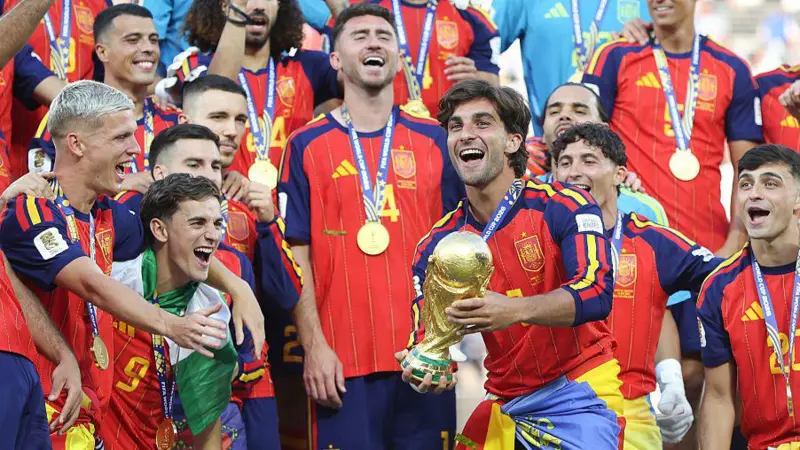
In football, a team that desperately pins all hopes on one superstar inevitably collapses once that star is neutralized. Spain, however, represents the antithesis of this antiquated model. By decentralizing roles, the team eliminated dependency on a single savior. Every player—from the goalkeeper to the forward—was empowered with the autonomy to take initiative. They did not play by merely following orders from above; they moved as a collective, each fully aware of their functional significance.
Skeptical pundits once dismissed the squad as "green" and inexperienced. Yet, coach Luis de la Fuente proved that true transformation must stem from fresh energy and local initiative. This mirrors the mission of Gerakan Mandiri Bangsa: the necessity of providing a stage for communities in the regions, for the youth, and for those with the initiative to lead—because local actors truly understand the dynamics of their own "field."
Watching Spain lift the trophy confirms a fundamental truth: change is possible when power is decentralized. Indonesia is far too vast to be managed solely from a single point in Jakarta. Every region possesses its own "players" and "strategies" that are far more relevant to their specific conditions. If growth begins from the bottom, from the smallest scopes, and moves together—driven not by central mandates but by shared consciousness—achievements far greater than winning a World Cup are well within reach.

